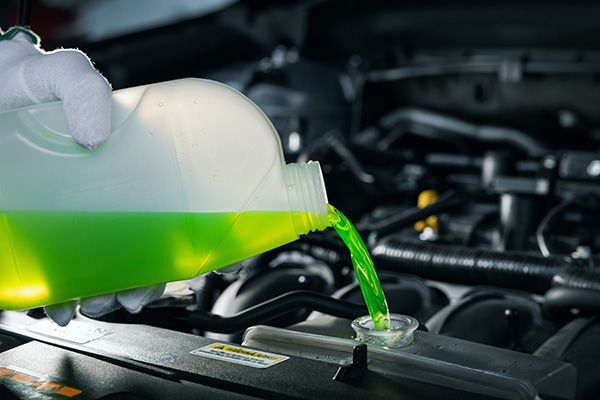
Living in a warm climate can make coolant sound less important than it really is. Drivers hear the word antifreeze and think the only job is keeping the engine from freezing during winter. If freezing weather is not part of daily life, plain water can start to seem like a reasonable shortcut.
That shortcut can be expensive. Coolant does far more than prevent freezing. It helps control heat, protect metal parts, prevent corrosion, lubricate key components, and keep the cooling system working under pressure. Water alone cannot do all of that, even in a place where winter temperatures stay mild.
Coolant Is Not Only For Cold Weather
The name antifreeze creates confusion because it makes the fluid sound seasonal. In reality, modern coolant is a year-round engine protection fluid. It raises the boiling point, lowers the freezing point, and adds chemical protection that plain water does not have.
Your engine creates intense heat every time it runs. The cooling system has to remove that heat from the engine and dissipate it through the radiator. In hot traffic, on hills, or during long drives, the system needs the right coolant mixture to keep temperatures under control. Water alone can boil sooner, lose protection faster, and leave the system more vulnerable when conditions get tough.
Why Plain Water Is A Bad Long-Term Choice
Water can move heat, which is why some drivers think it is good enough. The problem is that everything water does not do. It does not protect aluminum, steel, gaskets, seals, hoses, or the water pump as well as coolant does. It also does not provide the same boiling protection under real driving conditions.
Plain water can promote rust and scale inside the cooling system. Over time, that buildup can clog radiator passages, reduce heater core flow, damage water pump parts, and create hot spots inside the engine. A car might drive fine for a while with water in the system, but the damage can build quietly before the temperature gauge gives you a clear warning.
The Right Mixture Protects Against Heat
Coolant is designed to work as a mixture with water, not as a random top-off. Many vehicles use a 50/50 mix of coolant and distilled water, though some require a different specification. That mix gives the cooling system better protection against boiling, corrosion, and internal wear.
The pressure cap also plays a role. A sealed, pressurized cooling system raises the boiling point of the coolant mixture. If the mixture is wrong or the cap is weak, the system has less room to handle heat. That can lead to overheating during traffic, high-load driving, or hot afternoons when the engine needs the most protection.
Coolant Type Is Important
Not all coolant is the same. Different vehicles use different coolant chemistries, and mixing the wrong types can cause trouble. Some coolants are designed for specific metals, seals, and service intervals. Using the wrong fluid can lead to corrosion, deposits, gel-like contamination, or reduced protection inside the system.
Color alone is not a reliable way to choose a coolant. Two coolants can look similar and still have different chemical formulas. The best choice comes from the manufacturer’s specification, service information, and the vehicle’s actual needs. Guessing at coolant type can turn a simple service into a cooling system cleanup.
What Happens When Coolant Gets Old
Coolant wears out over time. Its corrosion inhibitors break down, contamination builds, and the fluid becomes less effective at protecting the system. Old coolant can look dirty, smell odd, or leave deposits around the reservoir, radiator cap, hoses, or fittings.
A cooling system inspection can reveal weak coolant, leaks, pressure loss, and worn parts before overheating starts. Hoses, radiator tanks, thermostat housings, water pumps, and caps all age from heat cycles. Regular maintenance helps keep the fluid and the parts around it from being neglected until the engine runs hot.
When Water Is Okay For Emergencies
There are times when adding water is better than driving with a dangerously low coolant level. If you are stuck somewhere and the reservoir is low, water can help you get out of an immediate bind. Distilled water is preferred when available, but emergency use is different from long-term use.
After that, the system should be checked and corrected. The leak still needs to be found, and the coolant mixture needs to be restored to the proper strength. Leaving mostly water in the system after an emergency top-off is where drivers get into trouble. The car may seem fine today, but the cooling system is no longer protected the way it should be.
Get Antifreeze And Coolant Service In Burbank, CA, With Future Auto Service
If you are not sure whether your vehicle has the right coolant mixture, Future Auto Service in Burbank, CA, can check the cooling system, look for leaks, and help protect your engine from heat-related damage.
Do not rely on plain water as a long-term fix, and contact us to schedule an appointment.