Posted on 1/30/2026
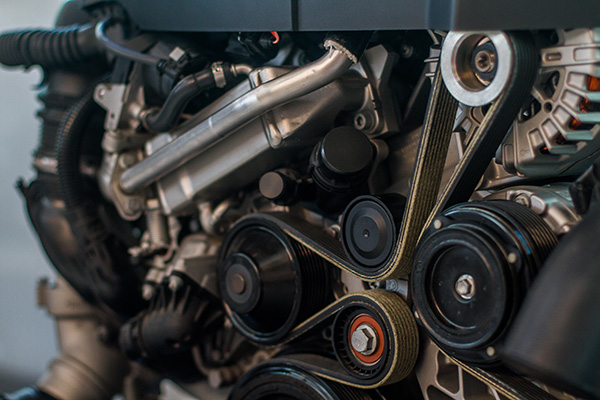
Most engine problems don’t start with a dramatic breakdown. They usually begin as a small change you notice once, then forget about. A light that flickers on and off, a smell that shows up after a drive, a little stumble when you pull away from a stop. Those early signs are easy to ignore, but they’re often the cheapest time to fix what’s coming. Why Early Engine Warnings Get Ignored Modern engines can compensate for a lot. The computer adjusts fuel delivery and timing to keep the car running smoothly, even when something is starting to drift out of range. That can make a real problem feel inconsistent, or seem like it “went away.” Another issue is that many symptoms only show up under specific conditions. Cold mornings, long highway drives, heavy acceleration, or sitting in traffic can all reveal different weaknesses. When you notice a pattern, this always helps finding the issue. The First Subtle Signs That Something’s ... read more
Posted on 1/2/2026
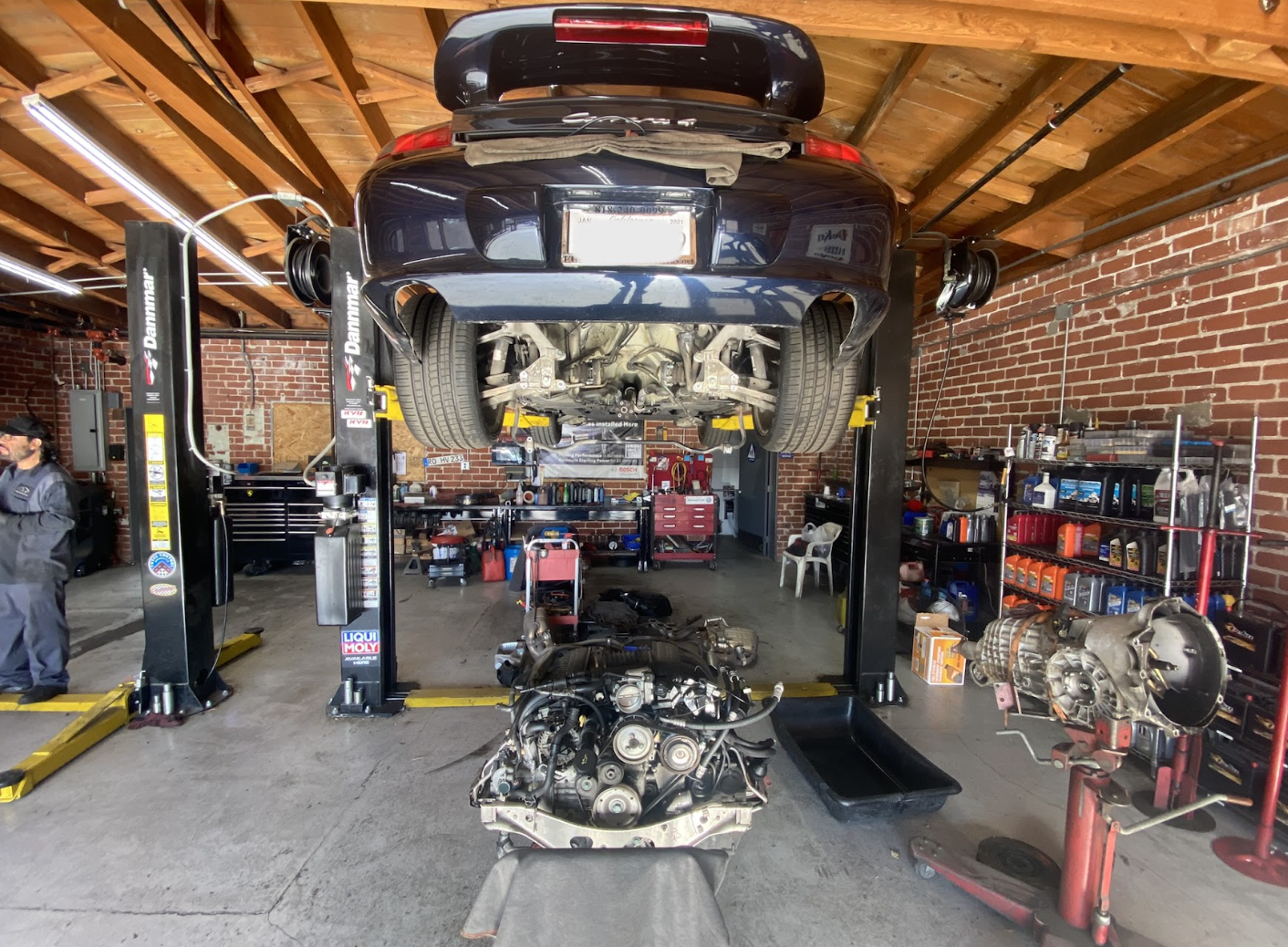
Why Your Audi or BMW Might Be Trying to Tell You Something After a Storm What Is Going On When the Light Comes On? As you navigate through Burbank following a light rain, the roads glisten with moisture, and your windshield wipers rhythmically sweep away droplets. Suddenly, that familiar orange glow catches your eye on the dashboard, and the check engine light appears. This is one of those exasperating warnings every driver dreads, especially when it conveniently appears just as weather conditions change or when they're already under a hectic schedule. Owners of European cars such as Audi, BMW, Mercedes, and Volkswagen are well acquainted with this situation. Contemporary vehicles depend on intricate emissions and vapor control systems that can be sensitive to factors such as moisture, temperature fluctuations, and even minor vacuum leaks. While certain check engine lights signal serious problems, others may be triggered by minor issues such as a loose gas cap or a moisture sens ... read more