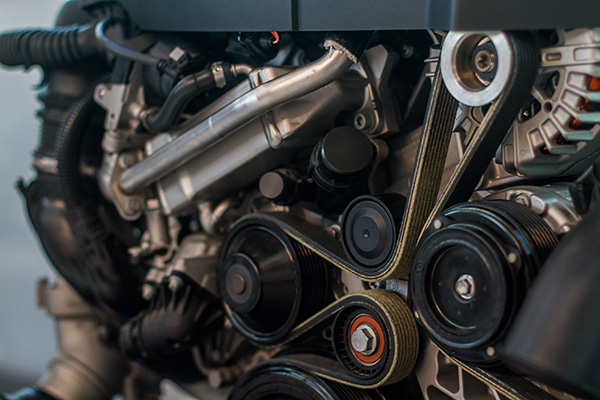
Most engine problems don’t start with a dramatic breakdown. They usually begin as a small change you notice once, then forget about. A light that flickers on and off, a smell that shows up after a drive, a little stumble when you pull away from a stop. Those early signs are easy to ignore, but they’re often the cheapest time to fix what’s coming.
Why Early Engine Warnings Get Ignored
Modern engines can compensate for a lot. The computer adjusts fuel delivery and timing to keep the car running smoothly, even when something is starting to drift out of range. That can make a real problem feel inconsistent, or seem like it “went away.”
Another issue is that many symptoms only show up under specific conditions. Cold mornings, long highway drives, heavy acceleration, or sitting in traffic can all reveal different weaknesses. When you notice a pattern, this always helps finding the issue.
The First Subtle Signs That Something’s Off
Early warning signs tend to be small and annoying, not dramatic. You may notice a rougher idle than usual, a slight hesitation when you roll into the throttle, or fuel economy dropping even though your driving hasn’t changed. Sometimes the engine feels fine until you’re pulling onto a busy road, then it hesitates right when you want a clean surge of power.
Pay attention to changes in how the car starts, too. Longer cranking, an uneven start, or a brief shake that settles down can point to ignition, fuel delivery, or air leaks. We’ve seen plenty of engines that “mostly run fine” but leave clues every day for a week or two before the check engine light ever commits to staying on.
When The Check Engine Light Changes The Stakes
A steady check engine light can mean a wide range of things, from minor emissions faults to drivability problems that are building. The important part is that the light is not a diagnosis, it’s a request for testing. If the car feels normal, you may have a little time, but it’s still worth scheduling a proper check before it turns into poor mileage, rough running, or a failed emissions test.
A flashing check engine light is different. That often points to an active misfire, and misfires can send unburned fuel into the exhaust. That extra heat can damage the catalytic converter faster than most drivers expect. If the light is flashing and the engine is shaking or struggling to accelerate, reduce driving and get it checked quickly.
Heat And Coolant Warning Signs That Need Fast Action
Engines do not tolerate overheating well. If the temperature gauge climbs higher than normal, or you see steam, that’s a stop-and-cool-down situation, not something to push through. The cause might be a hose leak, radiator issue, thermostat problem, or a failing water pump, but the risk is the same: high heat and low coolant can damage critical components.
A sweet smell after driving can be an early hint of a coolant leak, even if you never see a puddle. Coolant can drip onto a hot surface and evaporate, leaving crusty residue behind. If you find yourself topping off coolant more than once, assume there’s a leak somewhere and get it located, instead of treating top-offs like routine maintenance.
Noises That Should Make You Pay Attention
Some noises are normal, especially right after a cold start. What matters is a new noise that wasn’t there last month. A sharp ticking, a persistent rattle, or a knock that changes with RPM deserves a closer look.
A brief rattle at startup could be something simple, like a heat shield, or something more involved, like timing components. Knocking under acceleration can point to combustion problems, fuel quality issues, or internal wear. If a noise makes you turn the radio down and listen for it again, that’s usually your sign to schedule an inspection before it becomes louder and more expensive.
Oil-Related Warnings And What They Point To
Oil issues can be sneaky because many engines will keep running even when the situation is risky. If an oil pressure light comes on, don’t treat it like a reminder light. Low oil pressure can cause damage quickly, and you want the cause confirmed right away, whether it’s low oil level, a leak, a failing pump, or internal wear.
Here are a few oil-related clues that are worth taking seriously:
- Burning oil smell after driving, especially when you stop and the heat rises
- Blue or gray smoke from the exhaust, often after idling or startup
- New oil spots where you park, or oil level is dropping faster than it used to
- A louder valve train tick that wasn’t there before
Any one of these can have multiple causes, so the goal is not to guess. It’s to identify the source before oil loss, heat, or contamination turns into a bigger repair.
Get Engine Diagnostics in Burbank, CA with Future Auto Service
If you’re seeing warning lights, smelling something unusual, hearing a new noise, or noticing a change in power or temperature, don’t wait for it to get worse. We’ll test what’s actually happening, track down the root cause, and explain the results in plain language so you can make a smart call.
Get engine diagnostics in Burbank, CA with Future Auto Service, and let’s catch the problem while it’s still a manageable fix.