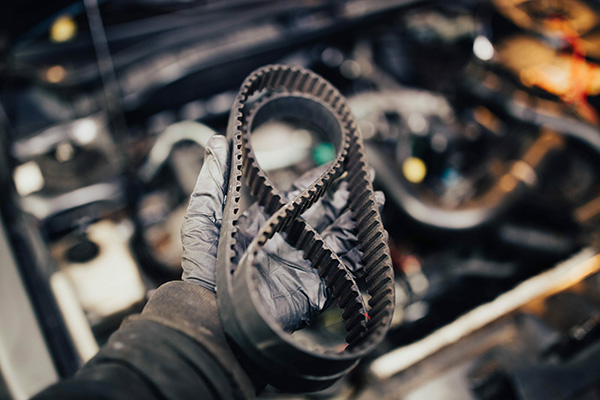
A timing belt is one of those parts drivers rarely think about until they hear it mentioned during service. The engine still starts, still idles, and still gets through the day, so it is easy to assume the belt is fine if the car is running normally. That is exactly what makes neglecting the timing belt so risky.
A worn timing belt can absolutely damage an engine without giving much warning first.
Why The Timing Belt Is So Important
The timing belt keeps the crankshaft and camshaft moving in sync. That timing has to stay precise for the engine to run properly. Once the belt gets too old, too worn, or too weak, the engine is no longer protected by that precise timing.
On many engines, that is where the real danger comes in. If the timing belt slips or breaks, internal engine parts can collide. What started as a maintenance item can turn into bent valves, internal damage, and a repair bill far beyond the cost of replacing the belt on time.
Why Drivers Do Not Always Get A Warning
Timing belts do not always fail the way drivers expect. They are not like brake pads that start squealing or tires that show visible tread wear. A timing belt can be wearing out inside the cover while the engine still feels completely normal from behind the wheel.
That is why so many drivers get caught off guard. They were waiting for a clear symptom that never really came. The car did not feel bad enough to force the issue, so the service kept getting pushed aside.
Mileage And Age Matter More Than Symptoms
The best way to judge timing belt service is by the service interval, not by feel. Many timing belts are due somewhere in the 60,000 to 100,000-mile range, depending on the engine. Age matters too. A low-mile vehicle can still be overdue if the belt has been sitting in the engine for many years.
Rubber ages whether the car is driven hard or not. Heat, time, and engine cycles all work against the belt. That is why a car with moderate mileage can still need timing belt service if the belt has simply gotten old.
What Small Clues Sometimes Show Up
Some engines do give a few hints, but drivers should never depend on that. A worn timing belt or related tensioner problem can sometimes lead to rough running, hard starting, ticking or rattling near the belt area, or a check engine light tied to timing issues. Oil leaks near the front of the engine can also shorten belt life if contamination reaches the belt.
A few warning signs can show up before failure:
- Rough running that was not there before
- Noise from the timing cover area
- Oil leaks near the front of the engine
- Missing timing belt service history
Still, none of those signs is guaranteed. Plenty of timing belts fail with very little warning.
Why Some Engines Get Damaged So Quickly
The level of risk depends on engine design. On many engines, the pistons and valves share space at different times. That is fine as long as everything stays timed correctly. If the belt slips or breaks, the pistons and valves can collide. That is when the damage stops being a belt problem and becomes an engine problem.
That is why timing belt service should not be treated like a service you can stretch just because the car still runs well. The repair can jump from preventive maintenance to major engine work in one moment.
Timing Belt Service Is Not Just About The Belt
A proper timing belt job usually includes more than the belt itself. Tensioners, idlers, and, on many vehicles, the water pump are part of the same service because they live in the same area and age together. Replacing only the belt while leaving older parts behind can create another problem later.
That is one reason regular maintenance helps so much here. The full job is far cheaper and safer than taking chances with parts that are already at the same age and wear point.
Why Waiting Costs So Much More
Drivers do not lose money on timing belts because the service itself is expensive. They lose money because the service gets delayed until it is no longer just service. A belt that breaks at the wrong moment can leave the car stranded and the engine damaged in ways that no quick fix will solve.
That is why the timing belt deserves respect even when the engine feels fine. The whole point of replacing it is to avoid waiting for the warning that may never come.
Get Timing Belt Service In Burbank, CA, With Future Auto Service
If your vehicle is approaching its timing belt interval, or you are not sure whether the belt has ever been replaced, Future Auto Service in Burbank, CA, can inspect the service history and help you stay ahead of a repair that can get much more expensive once the belt fails.
Bring it in before a worn timing belt turns a preventive service into major engine damage.